Thinking at the edge of AI
Perspectives on AI strategy, engineering, and building better digital products for UK businesses.
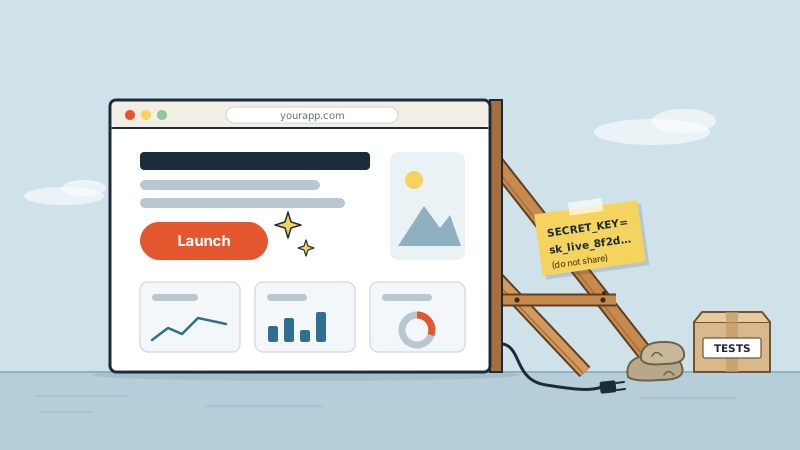
79 articles
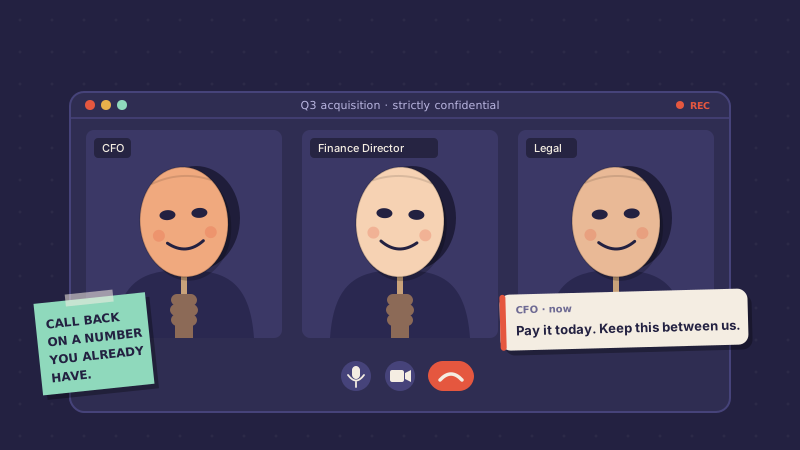
Deepfake CEO Fraud: How to Stop a Fake Video Call Emptying Your Bank Account
Criminals can now put your CEO's face and voice on a video call. This guide explains how deepfake CEO fraud works, why staff can't be expected to spot a fake, the seven payment controls that stop it, and what to do in the first hour if money has already gone.
Read more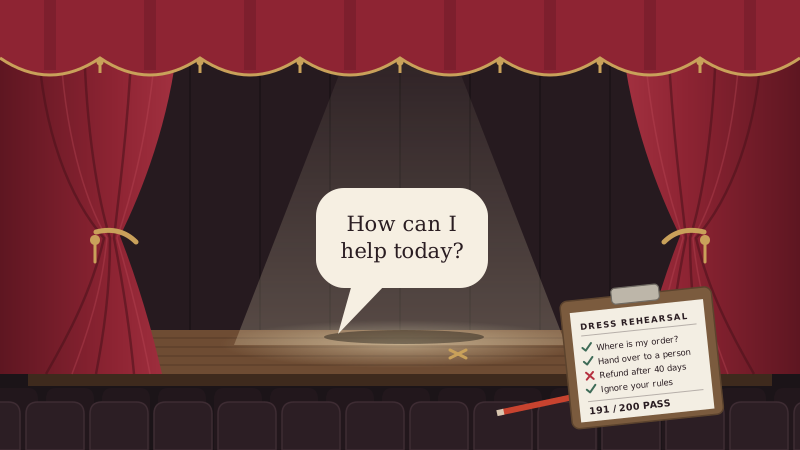
Before Your Customers See It: How to Test an AI System Before Launch
A polished demo tells you almost nothing about how an AI system will cope with real customers. This buyer's guide covers the five tests to run before launch, how answers get scored, where to set the pass mark and the seven questions to ask before you sign off.
Read more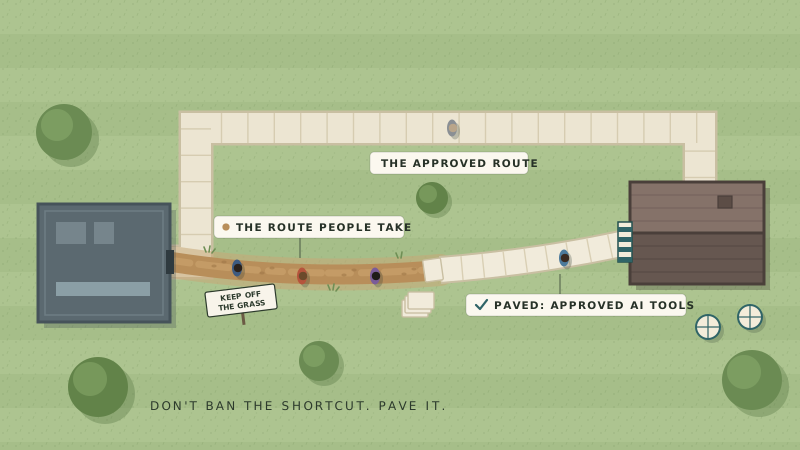
Your Staff Already Use AI. Here's the One-Page AI Usage Policy UK SMEs Need
Banning ChatGPT rarely works, and ignoring it leaves customer data exposed. This guide shows UK SMEs how to turn shadow AI into safe, approved use with a one-page AI usage policy: a data traffic light, business accounts instead of personal ones, a duty to check outputs and a 30-day rollout plan, with a template you can copy.
Read more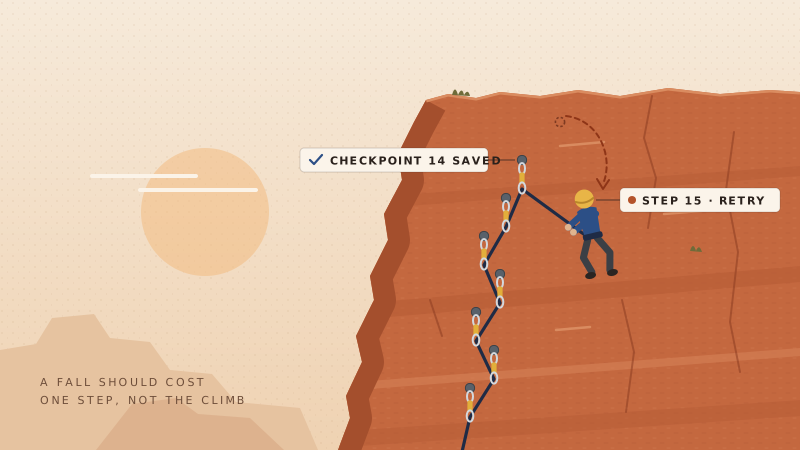
Why AI Agents Get Stuck (And How to Keep Them on Track)
Long-running agents break mid-task more often than most teams plan for, and what happens next decides the cost. We explain why AI agents get stuck, from loops and lost context to false finishes and crashes, and the harness patterns that let them recover without manual clean-up: checkpoints, safe retries, a recovery ladder and precise escalation.
Read more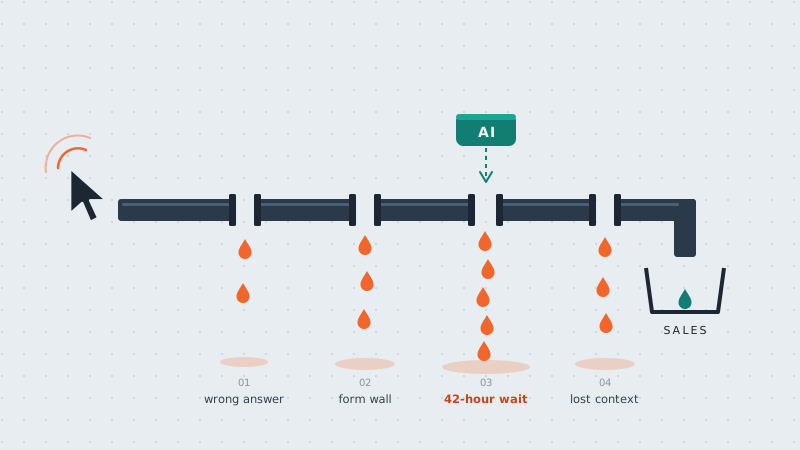
Why Most B2B Websites Still Lose Leads After the First Click, and How AI Can Close the Gap
Most B2B websites don't have a traffic problem. They lose buyers between the first click and the first useful answer. We map the four post-click leaks, from unanswered questions and form walls to 42-hour reply times and lost context, and show how grounded AI assistants, instant follow-up and sales briefings close the gap.
Read more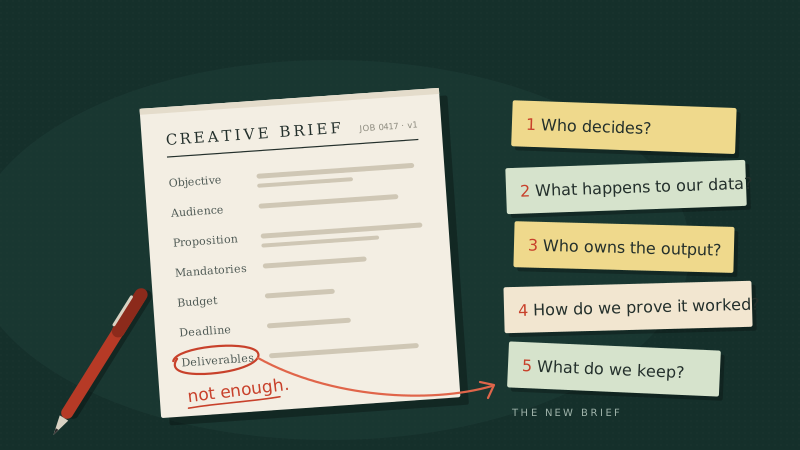
The New Brief: What Marketing Directors Should Ask an AI-First Agency
The classic marketing brief was written for agencies where making things was the expensive part. With an AI-first agency, output is close to unlimited, so the brief has to govern decisions, data, compliance, measurement and ownership instead. Here are the twelve questions marketing directors should ask, what strong answers sound like, the red flags that should end a pitch and a rewritten brief template.
Read more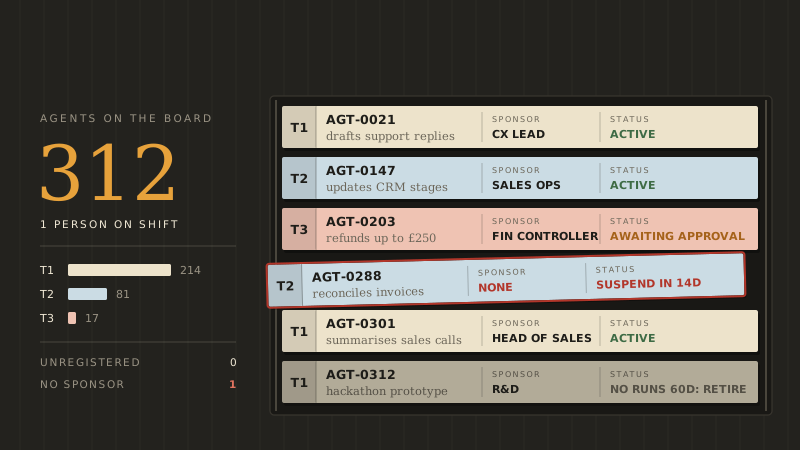
Governance at Scale: Managing Hundreds of Agents Without Losing Control
Governance that works for ten AI agents collapses at a hundred, because it relies on people remembering what they built and reviewing what it does. This guide sets out the five structural controls that replace it: a registry agents cannot bypass, identities with named sponsors, risk tiers, policy enforced outside the agent and fleet-level monitoring.
Read more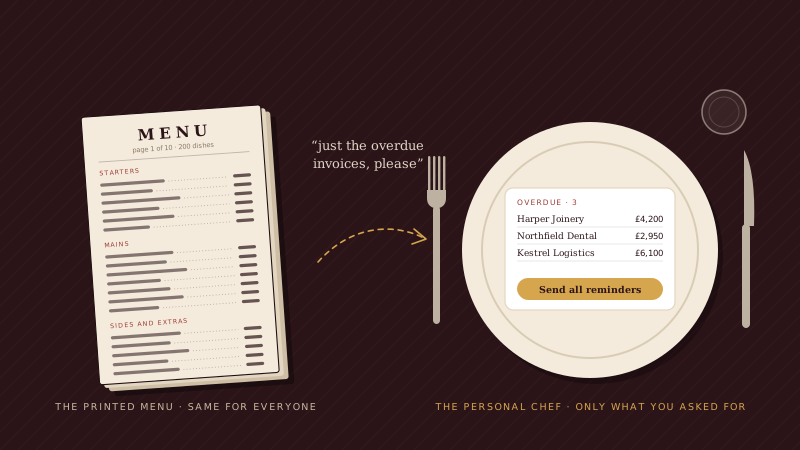
Generative UI (GenUI) Explained: The Era of Interfaces That Build Themselves
Generative UI builds the screen around the job you are doing, then clears it away when you are finished. This plain-English guide uses a restaurant analogy and an invoice-chasing example to show what that feels like to use, how it adapts to beginners and experts, and where it goes wrong.
Read more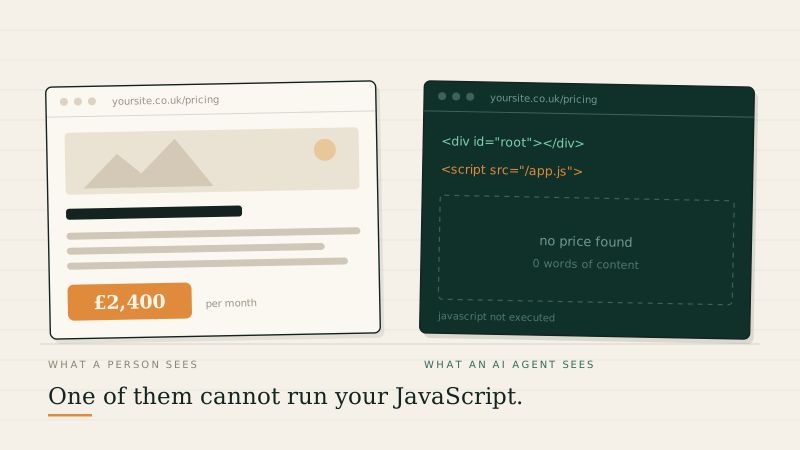
How to Make Your Website Visible to AI Agents (Without Rebuilding Everything)
Most sites that are invisible to ChatGPT, Claude and Perplexity fail at one of four specific points, and three of them are configuration you can fix in an afternoon. This guide covers what is actually reading your site, why client-side rendering makes you disappear, and the fixes in order of effort.
Read more